
Buying a Used Excavator: 7 Things to Check Before Purchasing
Buying a Used Excavator: 7 Things You Should Check Before Purchasing
November 2026 | Machinery Advice & Buying Guides
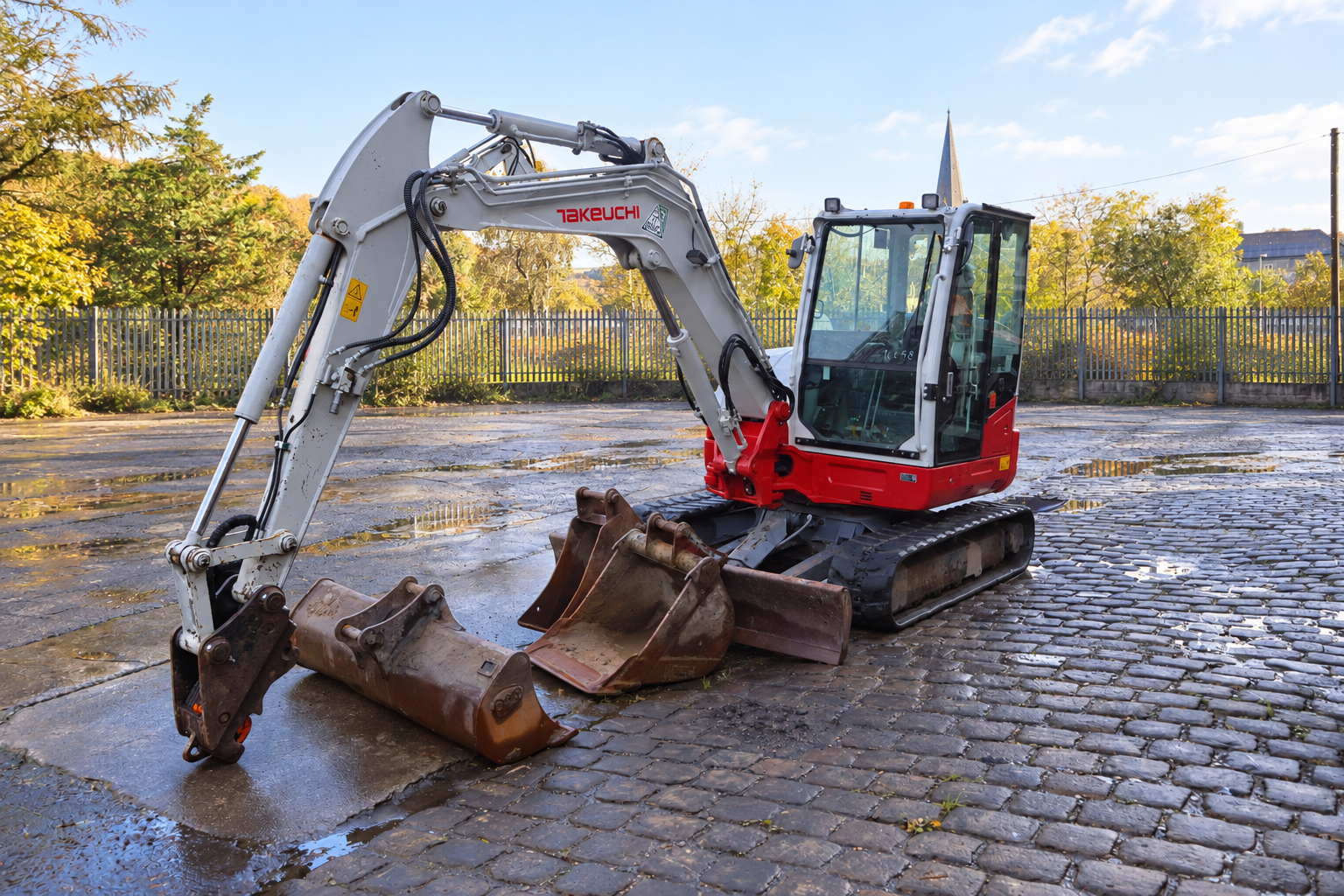
Buying a used excavator can be a smart investment for your business, offering the performance and reliability you need without the price tag of a brand-new machine. But how do you know you're getting good value for money?
Whether you're a plant hire company expanding your fleet, a groundworker looking for your first excavator or a construction contractor replacing an older machine, knowing what to look for before purchasing can save you time, money and unexpected repair bills.
At D&J Machinery Sales, we supply a range of quality used construction machinery, including Takeuchi excavators and equipment from other leading manufacturers.
We've put together seven important things to consider when buying a used excavator.
1. Check the Machine's Operating Hours
One of the first things buyers look at is the number of hours an excavator has worked.
Much like mileage on a car, operating hours can give you an indication of how extensively a machine has been used.
However, high hours don't automatically mean a machine is in poor condition, and low hours don't guarantee a machine has been well maintained.
For example, an excavator with 5,000 hours and a consistent maintenance history may be a better purchase than a machine with 2,000 hours that has experienced poor servicing or particularly demanding working conditions.
When reviewing operating hours, consider:
The machine's age and how its hours compare.
The type of work it has previously undertaken.
Whether the condition matches the recorded hours.
The availability of service and maintenance records.
Always look at the machine as a whole rather than making a decision based on hours alone.
2. Inspect the Tracks and Undercarriage
The undercarriage is one of the most expensive areas of an excavator to repair or replace, making it an important part of any pre-purchase inspection.
Machines regularly working on rough, abrasive or uneven ground can experience increased track and undercarriage wear.
What should you look for?
Cracks, cuts or missing sections on rubber tracks.
Excessive wear on sprockets and rollers.
Damaged idlers or track components.
Uneven track wear.
Excessive movement or unusual noises during operation.
On tracked excavators, the condition of the undercarriage can provide useful insight into how the machine has been used and maintained.
3. Examine the Hydraulic System
An excavator relies heavily on its hydraulic system, so identifying potential problems before purchasing is essential.
Hydraulic repairs can be expensive, particularly when major components require replacement.
Look for:
Oil leaks around hydraulic hoses and fittings.
Damage to hydraulic cylinders.
Scoring or corrosion on exposed cylinder rods.
Unusual noises during hydraulic operation.
Jerky, slow or inconsistent movements.
If possible, arrange to see the machine operating so you can assess how smoothly the boom, dipper, bucket and tracking functions respond.
Remember, hydraulic systems operate under high pressure. Never attempt to locate a leak using your hands.
4. Look at the Engine and General Mechanical Condition
A machine might look fantastic on the outside, but what's happening underneath the panels is just as important.
Before buying, inspect the engine compartment for obvious signs of damage, leaks or neglected maintenance.
Pay attention to:
Unusual engine noises.
Excessive exhaust smoke.
Signs of oil or coolant leaks.
Difficulty starting from cold.
Warning lights or fault codes.
Damaged belts, hoses or connections.
Ideally, ask to see the excavator start from cold rather than viewing it after the engine has already been running.
This can help reveal starting or performance issues that may otherwise be less noticeable.
5. Check the Boom, Dipper and Attachments
The excavator's working equipment takes considerable strain during everyday operation.
Wear in pins and bushes is common over time, but excessive movement can indicate that components require attention.
Check for:
Excessive play in pins and bushes.
Cracks or signs of structural repairs.
Damaged or leaking cylinders.
Wear around the bucket and attachment connections.
The condition of the quick hitch, where fitted.
It's also worth asking which attachments are included in the sale.
Buckets, breakers and other accessories can add value, but their condition and compatibility should be checked before purchasing.
6. Ask About Service History and Previous Ownership
A well-documented maintenance history can give you greater confidence when buying used machinery.
Regular servicing helps protect important components and can reduce the likelihood of avoidable mechanical problems.
Ask whether the seller can provide:
Previous service records.
Details of major repairs.
Information about previous ownership.
Evidence of regular maintenance.
Machine identification and serial number details.
It's also important to establish that the seller has the legal right to sell the machine and that there are no outstanding finance or ownership issues.
Not every used excavator will have a complete service history, particularly older machines, but understanding its background can help you make a more informed decision.
7. Choose a Dealer Who Can Support You After the Sale
When purchasing construction machinery, it's worth considering more than just the initial price.
What happens if you need replacement parts, servicing or repairs in the future?
Buying from an established machinery dealer can offer access to additional knowledge, technical support and aftersales services.
At D&J Machinery Sales, we understand that keeping your equipment working is essential to keeping your business moving.
Alongside our new and used machinery sales, we provide:
Genuine Takeuchi parts.
In-house servicing and repairs.
Mobile engineering support.
Machinery refurbishment and spray painting.
Advice on machinery and attachments.
Our team is here to support customers long after they've purchased their machine.
Is Buying a Used Excavator Worth It?
For many businesses, buying used machinery can offer excellent value.
A carefully selected used excavator may provide the capabilities required for your projects while allowing you to invest less capital than you would in a brand-new machine.
However, it's important to balance the purchase price against the machine's age, condition, operating hours, anticipated maintenance requirements and suitability for your work.
The cheapest machine isn't always the best value, and the most expensive isn't necessarily the right choice.
Taking the time to inspect a machine properly and ask the right questions can help you make a more confident investment.
Explore Used Machinery at D&J Machinery Sales
Looking for your next excavator?
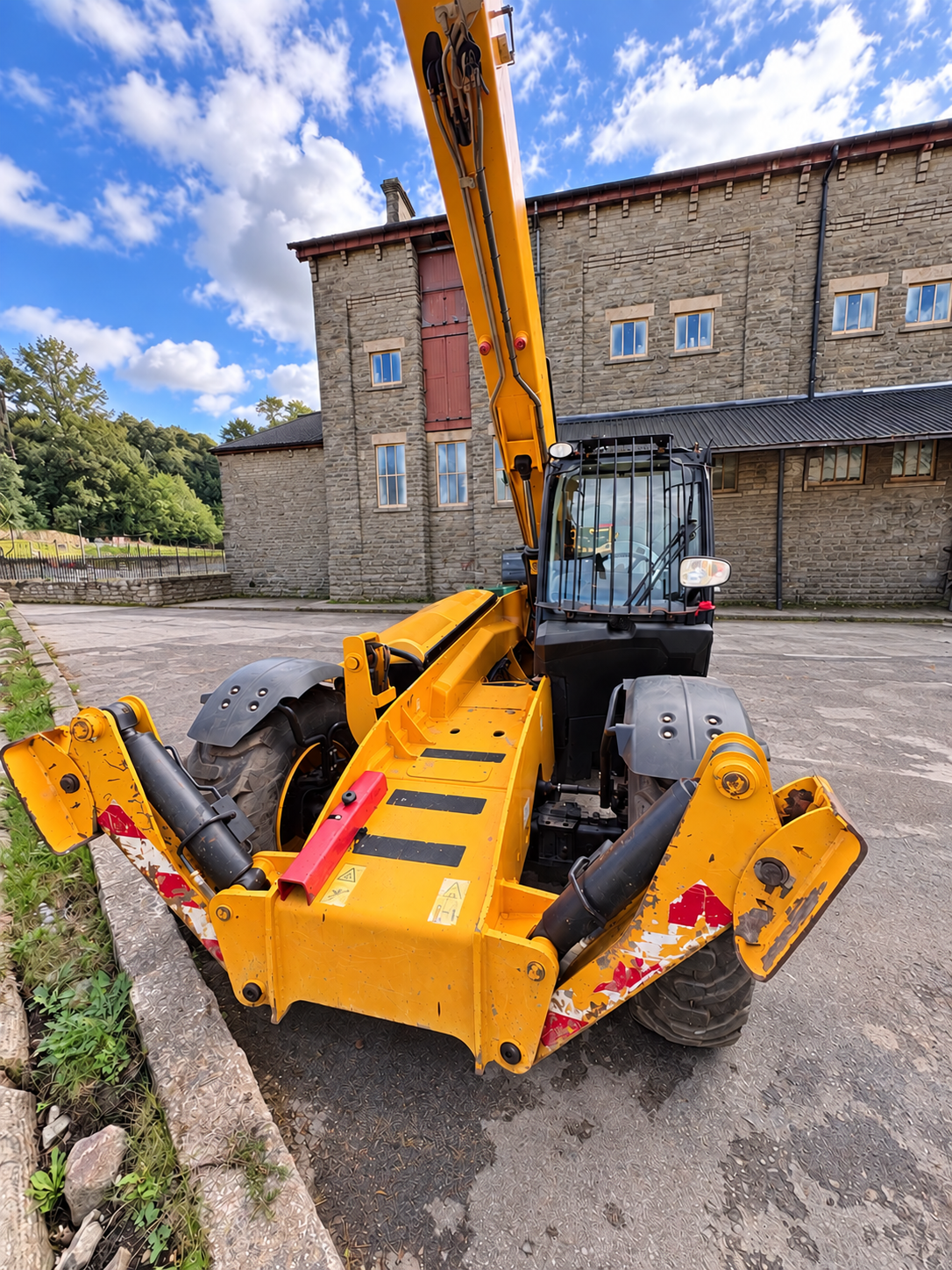
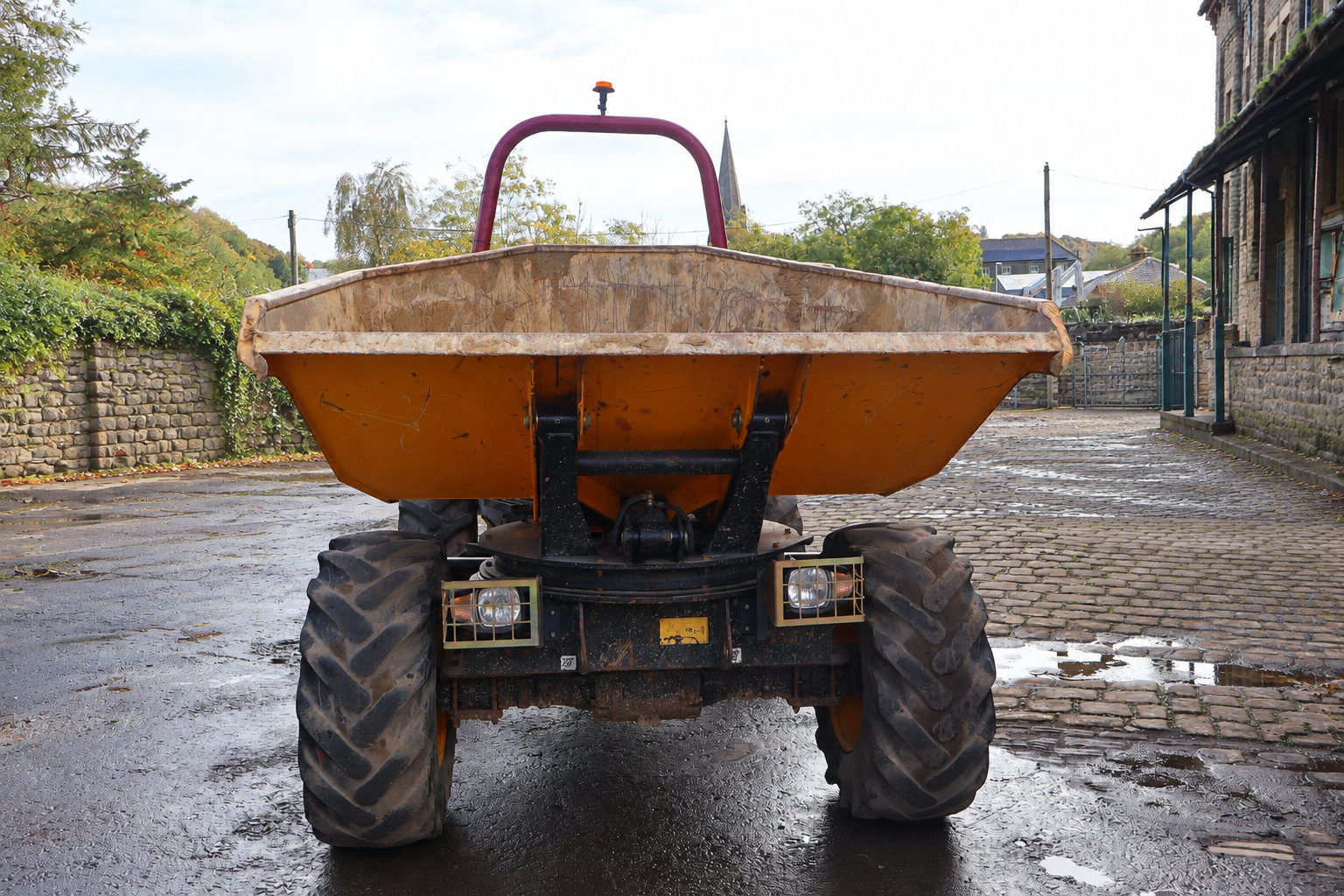
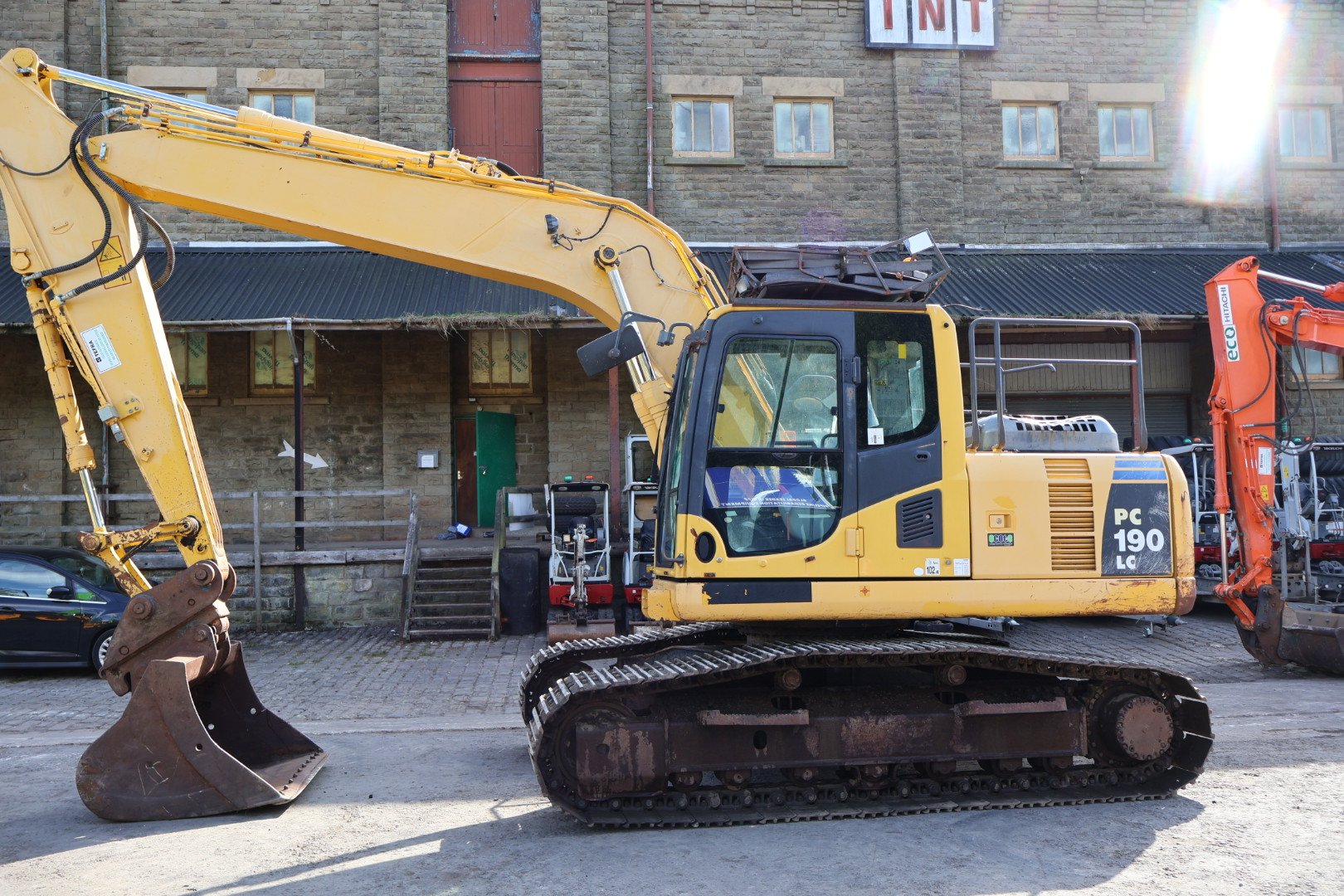
At D&J Machinery Sales, we regularly stock a selection of used excavators, telehandlers, dumpers, rollers and other construction machinery from leading manufacturers.
Whether you're searching for a compact Takeuchi excavator or a larger machine for demanding projects, our team can help you explore the available options.
All used machinery should be assessed individually, and our sales team can provide further information on the condition, specification and availability of specific machines.
Interested in a machine? Get in touch!
📞 Andy Purcell: 07791 802665
📧 andy.purcell@djmachinery.co.uk
Your Takeuchi Dealer Across the North West & Yorkshire.
THINK TAKEUCHI | THINK D&J